About
The shift is where the restaurant business gets real.
And the person responsible for running it is too often being asked to carry more than any one person reasonably should.
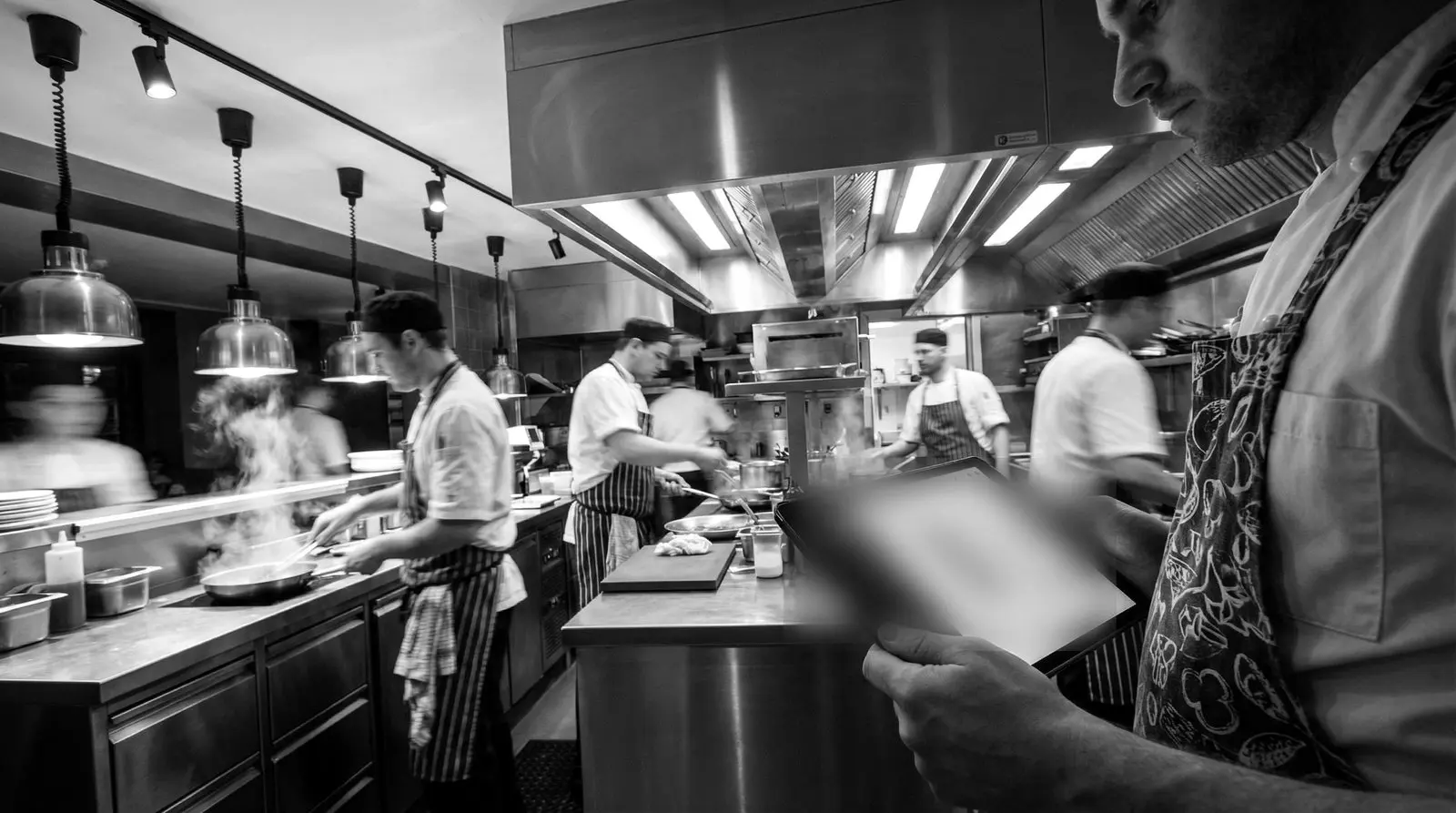
And the person responsible for running it is too often being asked to carry more than any one person reasonably should.
Restaurant managers lead the team, uphold standards, solve problems and take care of guests — often all at once.
The information they need lives everywhere: scheduling tools, training platforms, SOPs, texts, paper, conversations. They connect the dots in real time, mid-shift.
Coaching, labor management, standards and execution all lands on the person running the shift. We’ve digitized nearly everything else, yet we still expect the manager to integrate all of it in real time.
When that manager becomes overloaded, important things can fall by the wayside. Coaching gets delayed, recognition gets missed and context gets lost. But the consequences don’t stop with the employee experience. Instability can also show up in productivity, labor pressure, execution consistency, food waste, guest experience and ultimately the economics of the restaurant.
Retention isn’t only a people metric. It’s an operating metric.
The restaurant industry has made enormous progress in how it recruits and hires people, but getting someone in the door is only the beginning.
When an employee enters an unstable shift, works for an overwhelmed manager and leaves before becoming fully productive, the cost doesn’t stop at filling another opening. The restaurant absorbs more recruiting and training expense, more manager time and potentially more overtime and labor pressure, while the team must once again rebuild knowledge, rhythm and experience.
The cost of instability adds up. Turnover, low tenure, repeated recruiting and training, manager overload, overtime, food waste and inconsistent execution do not live in separate boxes inside the restaurant. Together, they can represent tens of thousands of dollars in avoidable economic leakage at a single unit.
Amp11’s working economic model estimates that instability and its downstream effects can represent approximately $80,000* in EBITDA leakage per restaurant, per year.
That’s why we believe one of the industry’s biggest opportunities is to better enable the manager, not by asking them to work harder, but by making the work around them work better and connecting the people and operating realities they are already responsible for every shift.
After more than two decades helping companies recruit and hire people, Amp11 founder Christina Coyle came to believe the industry had become extraordinarily good at filling the top of the funnel while too often overlooking the revolving door on the other side.
Her work with McDonald’s franchisees and McHire showed what was possible when technology genuinely removed friction from a restaurant manager’s day. It also led to the question that ultimately became the foundation for Cait:
What if the industry invested as intentionally in the manager responsible for keeping, developing and leading people as it does in the systems responsible for finding them?
Cait grew from that question and from the belief that stronger managers can build stronger teams, stronger execution and stronger restaurants.
Cait was not built to replace restaurant managers. She was built around the belief that great managers are essential to great restaurant experiences and great restaurant performance.
Their judgment, relationships and ability to understand what their people and operation need in the moment all matter. Sometimes that means coaching or recognition. Sometimes it means noticing an operating issue before it becomes a larger one. Sometimes it simply means having the capacity to stop and have a conversation.
Cait is designed to give managers the context and support they need to carry less of the operational burden in their heads and spend more time doing the parts of the job that require human judgment, relationships and leadership.